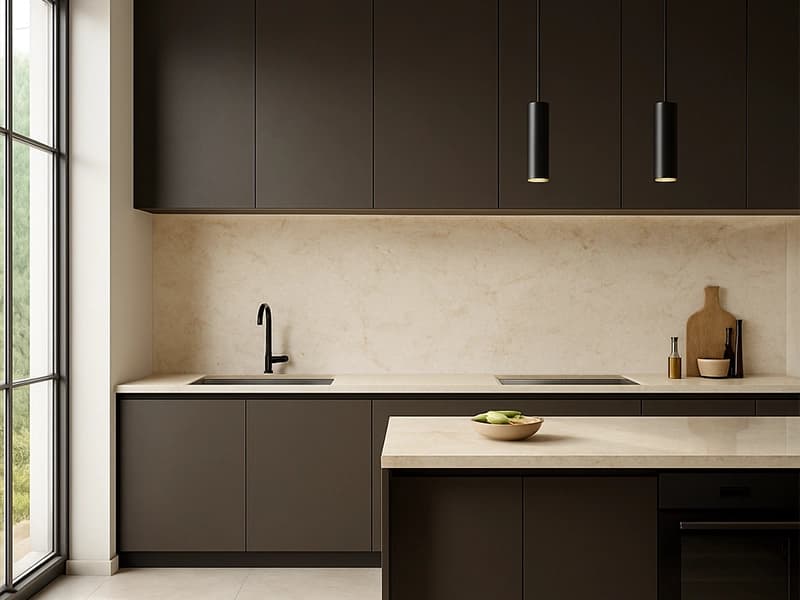
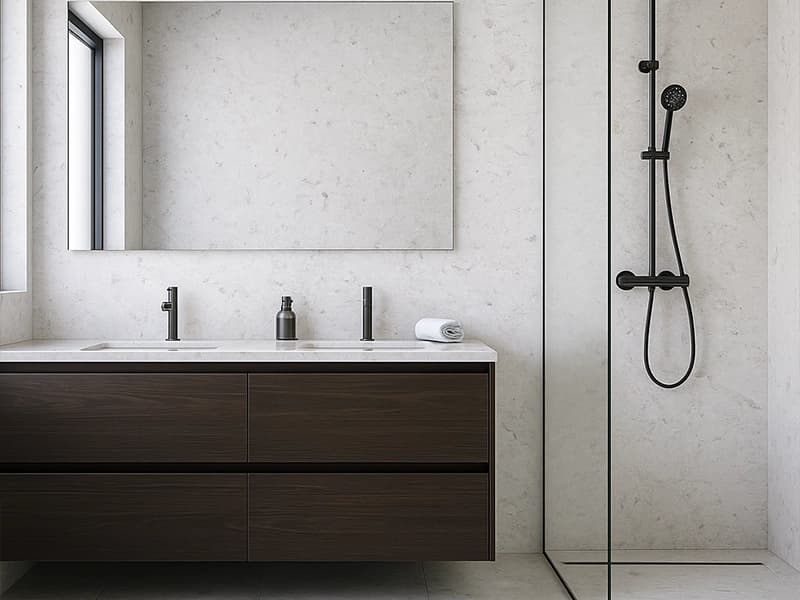
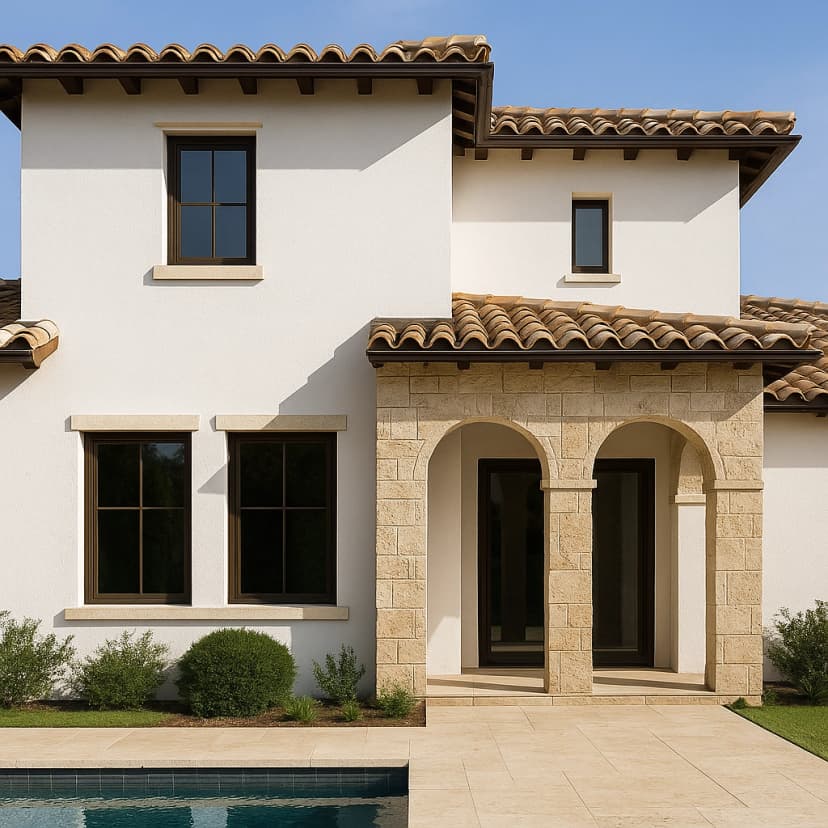
Choosing Ivory Travertine? This guide covers color traits, finishes, sizes, absorption and the best applications—floors, bathrooms, facades and countertops. As a quarry-backed Turkish travertine supplier, we also support FOB/CIF/EXW export with photo-documented loading for predictable shipments.
Ivory travertine is one of the most popular natural stone varieties, known for its soft beige tones and timeless elegance. This versatile color brightens interiors, enhances architectural designs, and blends seamlessly with both modern and classic styles. Turkish ivory travertine is especially valued worldwide for its durability, consistency, and ability to elevate spaces with natural sophistication.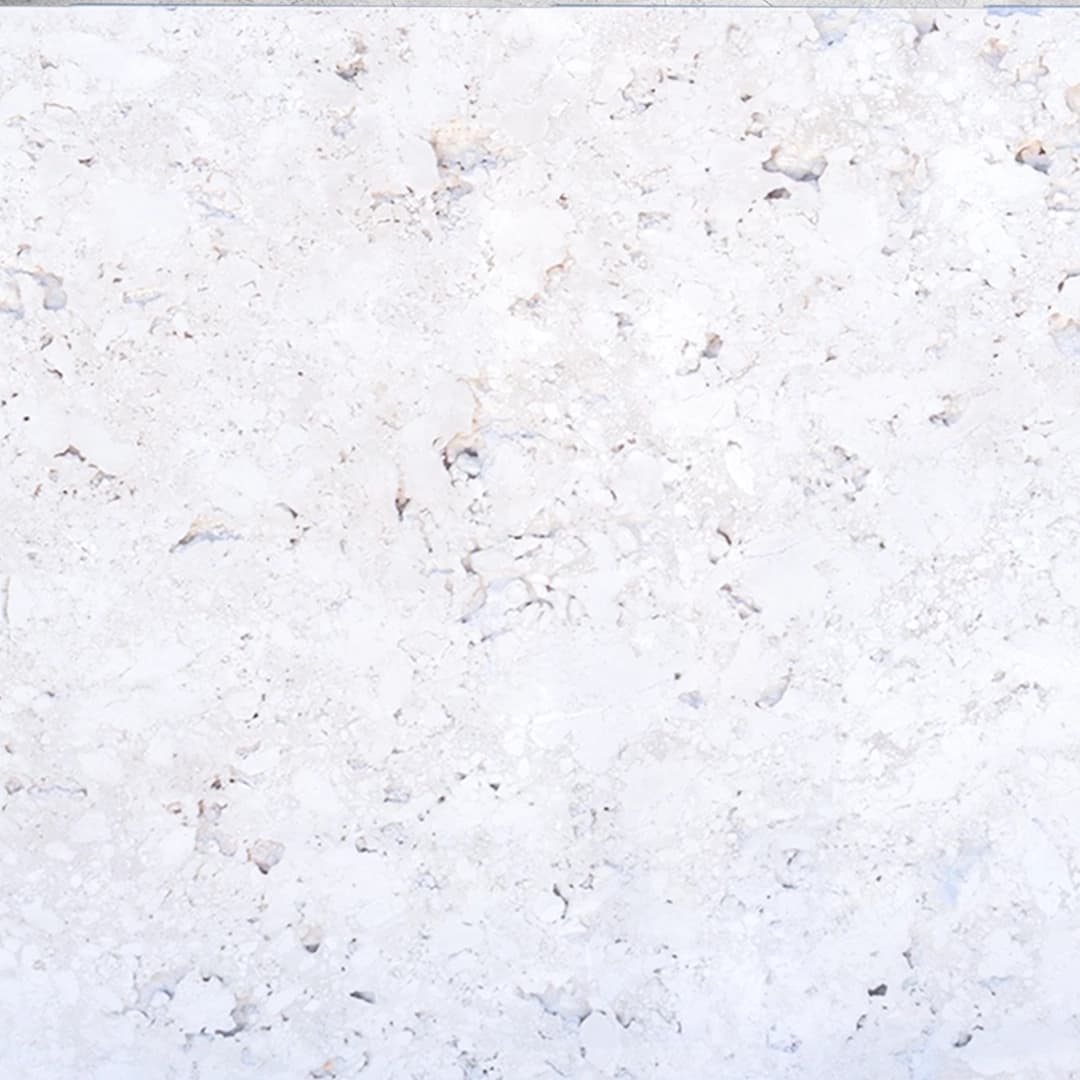
Ivory travertine is suitable for both interior and exterior applications. Indoors, it brings a clean, elegant atmosphere to living-area floors, bathrooms and kitchens. Outdoors, it is widely specified for pool surrounds, terraces and facades where brightness and timeless design are required. Its adaptability makes it a strong material choice for architects, design teams and developers seeking luxury and functionality in one solution.
Bright, elegant flooring that enhances spaciousness and luxury.
Spa-like bathrooms with floors, walls, and vanities in ivory stone.
Used in pool decks, terraces, and outdoor living areas.
Ivory travertine is available in tiles, slabs, pavers, and mosaics. Tile thickness usually ranges from 10–12 mm, slabs from 20–30 mm, and pavers from 30–50 mm for outdoor use. Water absorption averages 0.4–0.8%, requiring sealing for protection. Popular finishes include polished, honed, brushed, and tumbled, each enhancing the stone’s natural elegance in different ways.
Ivory travertine should be installed using cement-based adhesives for tiles and proper anchoring systems for slabs and facades. Sealing after installation is essential to protect against stains and moisture. Clean with neutral products and avoid acids. Resealing every 12–24 months helps preserve the stone’s bright, elegant appearance.
Contact our export team for wholesale supply and project inquiries.